
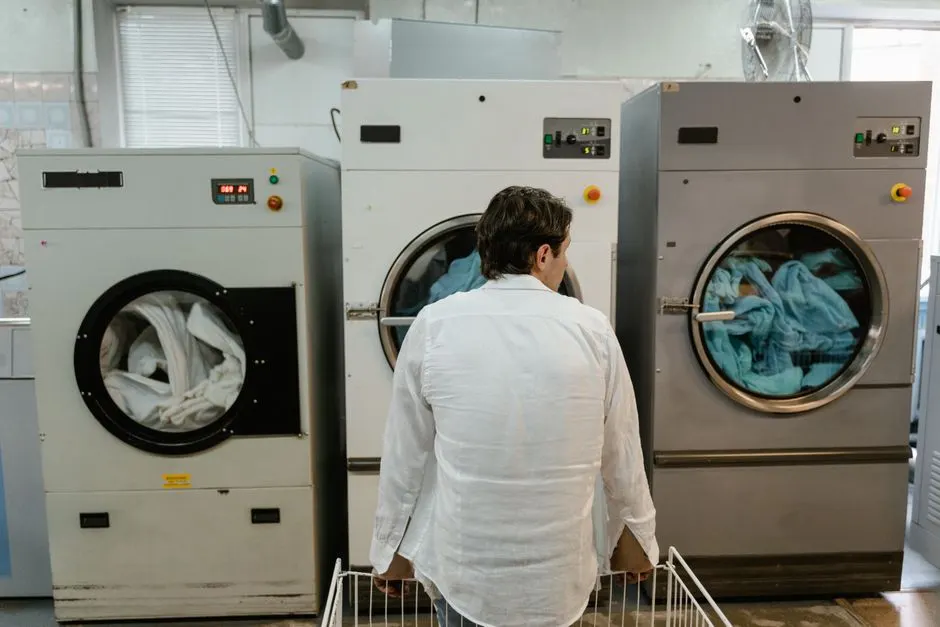
Your washing machine is pushing water into your sink because the shared drain line between the two fixtures is partially blocked. The washer dumps 15 to 30 gallons in under two minutes, and when that water can't move down the drain fast enough, it finds the next available exit - usually the lowest open fixture on the same branch, which is often your laundry sink or a nearby bathroom sink.
This is one of the most common calls we run in Colorado Springs, especially in homes built before 1990 where cast iron and galvanized pipes have had decades to accumulate scale and soap scum. Below we cover exactly why it happens, how to stop it, and when a washing machine clog in Colorado Springs needs professional drain unclogging rather than another bottle of store-bought cleaner.
The Short Answer: Your Drain Line Is Partially Clogged
Washing machine water backing up into sink in Colorado Springs CO is a symptom of a drain restriction, not a washing machine problem. The washer itself is working fine - it's the drain that can't keep up.
Here's the mechanics: your washer discharges through a standpipe or laundry tub that ties into a branch drain line. That branch connects to either a bathroom sink drain, a kitchen line, or the main sewer line. When the pipe narrows from buildup or a partial blockage, the sudden volume of water from the spin cycle overwhelms it. Water takes the path of least resistance, and that path is often up and out of your sink.
The fix isn't to run the washer on a smaller load forever. It's to clear the restriction so the line can handle a full discharge again.
Why Does a Washing Machine Back Up Into the Sink?
Three things have to line up for a backup to happen: a restriction in the drain line, a high-volume discharge from the washer, and a shared or connected fixture that sits lower than the standpipe. Remove any one of those and the backup stops.
Most Colorado Springs homes have the washer and a utility sink or bathroom sink on the same 1.5-inch or 2-inch branch line. That pipe was sized for a sink draining a few gallons per minute - not a washer pumping 15 to 30 gallons in 90 seconds. A clean line handles it. A line with 30 years of buildup does not.
We also see this in homes with a standpipe that's too short. If the standpipe is under 30 inches, water can splash out before it even reaches the trap. Code calls for a minimum 18-inch standpipe above the trap weir, but 30 to 36 inches gives you real margin.
What Causes a Washing Machine to Back Up Into a Sink in Colorado Springs CO?
Colorado Springs water is hard - typically 10 to 15 grains per gallon - and that mineral content accelerates scale buildup inside drain lines. Combine that with the detergent residue, lint, and fabric softener that washers send downstream, and you get a sticky paste that narrows the pipe year after year.
Here are the causes we find most often:
- Soap scum and lint paste - fabric softener and detergent bind with lint to form a coating on pipe walls. Over 5 to 10 years, a 2-inch line can close down to under an inch.
- Scale from hard water - calcium and magnesium deposits narrow the pipe from the inside, especially in older galvanized steel.
- Grease from a shared kitchen line - if the washer ties into a line that also serves the kitchen, grease is a major contributor.
- Tree root intrusion - common in older neighborhoods where roots find cracks in clay or cast iron sewer lines.
- Improper venting - a blocked or missing vent traps air in the line and slows drainage.
- Undersized pipe - some older homes have 1.5-inch branch lines that were never meant for a modern high-efficiency washer.
If your washer backs up into a sink in Fountain CO or anywhere south of the city, the cause is usually the same - older plumbing plus hard water plus a high-volume discharge. The fix is the same too: clear the line and restore full flow.
For persistent clogs that keep coming back, clogged drain removal Colorado Springs CO is the right call. A drain snake alone won't remove the paste coating the pipe walls - you need a cutter head or hydro jetting to actually clean the line back to bare metal or PVC.
How Do I Stop My Washing Machine From Backing Up in Colorado Springs?
You stop a washer backup by clearing the restriction in the drain line, not by changing how you do laundry. Here's the order we recommend, from simplest to most thorough.
1. Confirm It's the Drain, Not the Washer
Run the washer on a drain-and-spin cycle with no clothes. If water still backs up into the sink, the problem is downstream in the drain line. If it only happens with a full load, you may have a partially blocked line that a smaller load doesn't trigger.
2. Check the Standpipe and P-Trap
Pull the washer discharge hose out of the standpipe and look inside with a flashlight. If you see standing water, the trap or the branch line below it is blocked. A plunger on the standpipe can sometimes clear a soft clog near the trap.
3. Snake the Branch Line
A hand snake or drill-powered auger can punch through a soft clog 5 to 15 feet down the line. This buys you time but doesn't remove the buildup on the pipe walls. Expect the clog to return within a few months if buildup is the real issue.
4. Hydro Jet the Line
For recurring backups, hydro jetting Colorado Springs is the most effective fix. We run a high-pressure hose at 3,000 to 4,000 PSI with a rotating head that scours the pipe walls clean. It removes soap scum, scale, and grease in one pass. Most residential laundry lines take 30 to 60 minutes to jet.
5. Camera the Line if It Keeps Coming Back
If the clog returns within weeks, there's a structural problem - roots, a bellied pipe, or a crack. A sewer camera inspection Colorado Springs CO shows exactly what's happening inside the pipe so you're not guessing.
Common Mistakes That Make Washer Backup Worse
The wrong response to a washer backup can turn a $200 drain cleaning into a $4,000 sewer repair. Here's what to avoid.
- Pouring chemical drain cleaner down the standpipe. Caustic cleaners eat through cast iron and can crack PVC. They also leave a residue that makes the next clog worse.
- Running the washer again to "flush it out." Each cycle adds 15 to 30 gallons of water to a line that's already blocked. You risk overflowing the sink and damaging cabinets or flooring.
- Ignoring the backup because it "only happens sometimes." A partial clog becomes a full blockage. It always does.
- Using a short snake and calling it fixed. If you only punch a hole through the clog, water flows again for a few weeks, then the hole closes up.
- Not checking the vent. A blocked vent on the roof or in the attic can cause backups that have nothing to do with the drain itself.
We see these mistakes constantly in older neighborhoods. Across Old Colorado City drain cleaning calls, for example, the homes date back to the 1890s through the 1940s, and the original cast iron lines are often still in place. Those pipes need careful cleaning, not aggressive snaking that can crack them.
When to Call a Professional
Call a professional when the backup happens more than once, when water drains slowly after the washer finishes, or when you smell sewer gas near the laundry area. Those three signs mean the clog is deeper than a hand snake can reach.
We handle this every day. Our team runs a camera down the line first to see exactly what we're dealing with, then clears it with the right tool - auger, jetter, or cutter head. You get a clean line and a straight answer about whether the pipe needs repair.
If you're dealing with a backup that's already overflowing, emergency drain cleaning Colorado Springs CO gets a technician to your door fast, day or night. We stop the water, clear the line, and test it before we leave.
For routine service, residential drain cleaning Colorado Springs covers laundry lines, kitchen drains, bathroom drains, and main lines. One visit, one invoice, no surprises.
Frequently Asked Questions
Why is my washing machine causing water to back up into my sink in Colorado Springs?
Your drain line is partially blocked. The washer discharges 15 to 30 gallons fast, and the restricted pipe can't move it. Water backs up into the lowest open fixture, usually a laundry or bathroom sink on the same branch line.
What causes a washing machine to back up into a sink in Colorado Springs CO?
Hard water scale, soap scum, lint paste, grease, tree roots, and undersized pipes are the main causes. Colorado Springs water runs 10 to 15 grains per gallon, which speeds up scale buildup inside older galvanized and cast iron lines.
How do I stop my washing machine from backing up in Colorado Springs?
Clear the drain restriction. Start with a snake for soft clogs. If it returns within a few months, hydro jetting removes the buildup on the pipe walls. If it returns within weeks, get a camera inspection to check for roots or pipe damage.
Who does drain unclogging near me in Colorado Springs?
Drain Plumber Pros handles washer backups, main line clogs, and sewer cleaning across Colorado Springs and surrounding areas. We run a camera first, clear the line with the right tool, and test flow before we leave.
How much does it cost to clear a washing machine drain clog in Colorado Springs?
Typical 2026 pricing for a residential laundry line clearing runs $150 to $350 depending on access and clog severity. Hydro jetting runs $350 to $600. Camera inspections are usually $150 to $300, sometimes waived if you book the cleaning same day.
Get Help With Drain Cleaning in Colorado Springs
If your washer is backing up into the sink, we can clear it today. Our team handles everything from simple laundry line clogs to full main line cleaning, and we serve every neighborhood in the city.
Call Drain Plumber Pros at +1 719-455-0231 and we'll get your drain moving again.